Artemis Mission News: स्पेस लाँच सिस्टिम, ओरायन स्पेसक्राफ्ट आणि भविष्याचा मार्ग एक नवीन युगाची सुरुवात
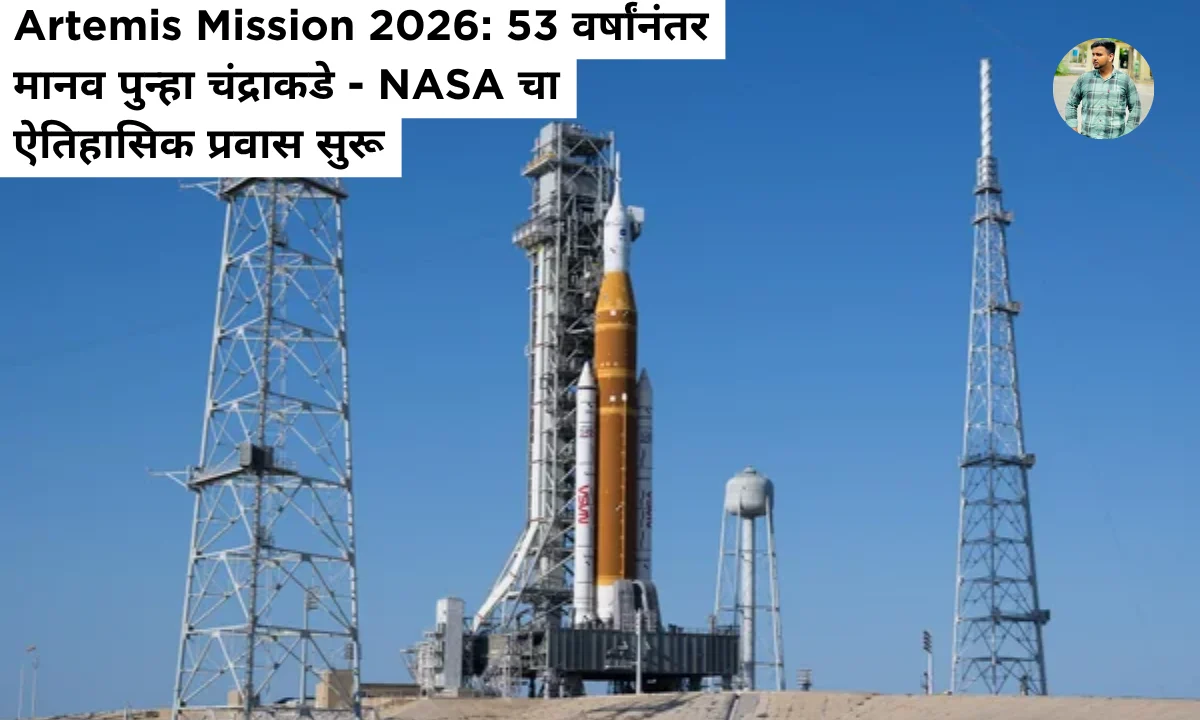
1 एप्रिल 2026 रोजी संध्याकाळी 6:35 वाजता फ्लोरिडाच्या केनेडी स्पेस सेंटरवरून एक ऐतिहासिक क्षण घडला. NASA च्या Artemis II मिशनचे यशस्वी प्रक्षेपण झाले आणि 53 वर्षांनंतर मानव पुन्हा चंद्राच्या दिशेने निघाला. हे फक्त एक रॉकेट लाँच नव्हते, तर मानवी अंतराळ संशोधनाच्या नवीन युगाची सुरुवात होती.
Artemis II मिशन हे Apollo कार्यक्रम संपल्यानंतरचे पहिले crewed deep space mission आहे. या मिशनमध्ये चार अंतराळवीर चंद्रावर उतरणार नाहीत, पण त्याच्या भोवती flyby करून परत येतील. हे मिशन फक्त 10 दिवसांचे असले तरी त्याचे महत्त्व अत्यंत मोठे आहे. कारण यावरून भविष्यातील Moon landing आणि Mars mission साठी मार्ग मोकळा होईल.
या लेखात आपण Artemis mission 2026 चे तांत्रिक तपशील, खर्च, भविष्यातील योजना आणि या मिशनामागील संपूर्ण माहिती तपशीलवार समजून घेणार आहोत.
Artemis II हे NASA च्या Artemis Program चा दुसरा आणि पहिला crewed flight आहे. या मिशनचा मुख्य उद्देश आहे SLS (Space Launch System) रॉकेट आणि Orion स्पेसक्राफ्ट ची क्षमता तपासणे.
मिशनचे मुख्य उद्देश:
उद्देश
तपशील
सिस्टिम टेस्टिंग
Orion स्पेसक्राफ्ट चे life support, navigation, propulsion आणि communication सिस्टिम चे कामकाज तपासणे
क्रू पर्फॉर्मन्स
Deep space environment मध्ये मानवी क्रियाकलापांची चाचणी
फ्री रिटर्न ट्रॅजेक्टरी
चंद्राच्या गुरुत्वाकर्षणाचा वापर करून पृथ्वीवर परतण्याचा मार्ग तयार करणे
प्रॉक्झिमिटी ऑपरेशन्स
भविष्यातील docking मिशन्स साठी Orion ची maneuverability तपासणे
रेडिएशन स्टडी
Earth च्या magnetosphere च्या बाहेर radiation चा अभ्यास
या मिशनमध्ये astronauts चंद्रापासून सुमारे 6,400 किलोमीटर (4,000 मैल) अंतरावरून जातील आणि Apollo 13 नंतर सर्वात दूरची यात्रा करतील. हे मिशन फक्त science नाही, तर human spaceflight च्या भविष्याची पायाभरणी आहे.
SLS (Space Launch System) हे NASA कडे असलेले सर्वात शक्तिशाली रॉकेट आहे. याची निर्मिती Boeing, Northrop Grumman आणि United Launch Alliance या कंपन्यांनी केली आहे.
घटक
तपशील
एकूण उंची
322.4 फूट (98.27 मीटर)
एकूण वजन (इंधनासह)
57.4 लाख पाउंड (2,604 मेट्रिक टन)
maximum thrust
88 लाख पाउंड (39,144 kN)
launch thrust
82.7 लाख पाउंड (36,787 kN)
maximum वेग
22,670 mph (36,484 km/h)
payload to low Earth orbit
2,09,439 पाउंड (95 टन)
payload to translunar injection
59,525+ पाउंड (27+ टन)
Core Stage तपशील:
Core Stage हे SLS चे मुख्य भाग आहे जे Boeing कंपनीने बनवले आहे.
वैशिष्ट्य
माहिती
उंची
212 फूट (64.6 मीटर)
व्यास
27.6 फूट (8.41 मीटर)
वजन (इंधनासह)
24 लाख पाउंड (1,089 टन)
liquid hydrogen क्षमता
5,37,000 गॅलन (20 लाख लिटर)
liquid oxygen क्षमता
1,96,000 गॅलन (7,41,941 लिटर)
burn time
480 सेकंद
RS-25 इंजिन्स:
Core Stage मध्ये चार RS-25 इंजिन्स आहेत जी L3Harris Technologies ने बनवली आहेत.
वैशिष्ट्य
माहिती
प्रत्येकाची उंची
14 फूट (4.3 मीटर)
प्रत्येकाचा व्यास
8 फूट (2.4 मीटर)
प्रत्येकाचे वजन
7,750 पाउंड (3.52 टन)
launch thrust (प्रत्येक)
4,18,000 पाउंड (1,859 kN)
maximum thrust (प्रत्येक)
5,12,300 पाउंड (2,279 kN)
Solid Rocket Boosters:
दोन five-segment solid rocket boosters आहेत जी Northrop Grumman ने बनवली आहेत.
वैशिष्ट्य
माहिती
उंची
177 फूट (53.9 मीटर)
व्यास
12 फूट (3.7 मीटर)
प्रत्येकाचे वजन (loaded)
16 लाख पाउंड (726 टन)
प्रत्येकाचा launch thrust
33 लाख पाउंड (14,679 kN)
प्रत्येकाचा maximum thrust
36 लाख पाउंड (16,014 kN)
burn time
126 सेकंद
Interim Cryogenic Propulsion Stage (ICPS):
ICPS हे upper stage आहे जे Boeing/ULA ने बनवले आहे.
वैशिष्ट्य
माहिती
उंची
45 फूट (14 मीटर)
व्यास
16.7 फूट (5.09 मीटर)
वजन (fueled)
72,197 पाउंड (32.748 टन)
इंजिन
RL10B-2 / RL10C-2
maximum thrust
24,750 पाउंड (110.1 kN)
Orion Spacecraft:
Orion हे crew capsule आहे जे astronauts ला deep space मध्ये सुरक्षित ठेवते.
वैशिष्ट्य
माहिती
crew capacity
4 astronauts
mission duration
10 दिवस (Artemis II साठी)
solar array wingspan
63 फूट
re-entry velocity
25,000 mph (40,230 km/h)
heat shield temperature
3,000°F (1,650°C)
Artemis II ची Crew: ऐतिहासिक प्रतिनिधित्व
या मिशनमध्ये चार astronauts सहभागी आहेत. हे crew विशेष आहे कारण यात पहिल्यांदाच एक महिला, पहिला Afro-American astronaut आणि पहिला non-American astronaut सहभागी आहे.
Crew सदस्य:
नाव
पद
वय
वैशिष्ट्ये
Reid Wiseman
Commander
50 वर्षे
NASA veteran, former ISS commander, test pilot
Victor Glover
Pilot
49 वर्षे
पहिला Afro-American lunar mission astronaut, US Navy aviator, SpaceX Crew-1 veteran
Christina Koch
Mission Specialist
47 वर्षे
पहिली महिला deep space mission, 328 दिवसांचा spaceflight record
Jeremy Hansen
Mission Specialist (CSA)
50 वर्षे
पहिला Canadian astronaut lunar mission, former fighter pilot
Crew ची विशेषता:
Reid Wiseman हे mission commander आहेत आणि 50 वर्षांचे झाल्यामुळे Apollo 14 च्या Alan Shepard चा record मोडतात. Alan Shepard 47 वर्षांचे होते जेव्हा ते चंद्रावर गेले.
Victor Glover यांनी 2023 मध्ये Gil Scott-Heron ची कविता “Whitey on the Moon” ऐकल्याचे सांगितले होते, जे space exploration मधील inequality वर भाष्य करते.
Christina Koch यांनी Antarctica मध्ये एक हिवाळा घालवला आहे आणि extreme environments मध्ये काम करण्याचा अनुभव आहे.
Jeremy Hansen यांचा समावेश हा Canada-NASA partnership चा भाग आहे.
ह्या diverse crew मुळे हे मिशन फक्त scientific achievement नाही, तर representation आणि international cooperation चे प्रतीक बनले आहे.
Artemis II चा 10 दिवसांचा प्रवास: दिवसनिहाय तपशील
Day 1-2: Earth Orbit मध्ये सिस्टिम चेक्स
वेळ
घडामोड
Launch (T-0)
6:35 PM EDT, 1 एप्रिल 2026
T+2 मिनिटे
Solid rocket boosters separation
T+6 मिनिटे
Core stage separation
T+50 मिनिटे
First engine burn (perigee raise)
T+1 तास 50 मिनिटे
Second engine burn (apogee raise)
T+3 तास 25 मिनिटे
Orion ICPS पासून वेगळे
T+5 तास
CubeSats deployment
T+25 तास
High Earth orbit मध्ये system checks पूर्ण
या वेळेत crew Orion चे navigation, communication, propulsion आणि life support systems तपासतील. ICPS सोबत proximity operations demonstration करतील जे भविष्यातील docking साठी महत्त्वाचे आहे.
Day 3-4: चंद्राकडे प्रवास
दिवस
कार्यक्रम
Day 3
CPR demonstration zero gravity मध्ये, Deep Space Network communications test
Day 4
Orbital injection burn, lunar flyby imaging plans review
या दिवशी astronauts translunar injection (TLI) burn करतील जे Orion ला चंद्राकडे नेईल. हा burn सुमारे 20 मिनिटे चालतो.
Day 5: चंद्राच्या गुरुत्वाकर्षणात प्रवेश
वेळ
कार्यक्रम
Day 5
Spacesuit donning आणि pressurization ची सराव, lunar sphere of influence मध्ये प्रवेश
crew members spacesuits किती वेळात घालू शकतात याची चाचणी घेतील. हे emergency situations साठी महत्त्वाचे आहे.
Day 6: चंद्राची प्रदक्षिणा (Lunar Flyby)
वेळ
कार्यक्रम
Day 6
Lunar flyby, closest approach 4,000-6,000 मैल, far side imaging
हा सर्वात महत्त्वाचा दिवस आहे. crew चंद्राच्या far side ला जाईल जेथे Apollo missions च्या वेळी human eyes पाहिले नव्हते. या वेळेत 30 मिनिटे signal loss (LOS) असेल कारण चंद्र Earth आणि Orion मध्ये येईल.
या दिवशी crew deep space radiation चा अभ्यास करतील. Orion ची manual controls तपासतील.
Day 10: पृथ्वीवर परतणे
वेळ
कार्यक्रम
Day 10
Service module separation, re-entry, splashdown Pacific Ocean मध्ये
Orion Earth च्या atmosphere मध्ये 25,000 mph वेगाने प्रवेश करेल. Heat shield 3,000°F तापमान सहन करेल. नंतर parachutes deploy होऊन Pacific Ocean मध्ये splashdown होईल.
Artemis Program चा खर्च & बजेट विश्लेषण
Artemis program हे NASA च्या इतिहासातील सर्वात महागड्या program पैकी एक आहे. याचा खर्च वाढतच गेला आहे.
आतापर्यंतचा खर्च:
वर्ष
खर्चाचा तपशील
2010
SLS development सुरू, अंदाजे $18 billion through 2017
2022
Artemis I launch
2025
Program cost $60 billion पेक्षा जास्त
2026
White House budget proposal नुसार प्रत्येक SLS launch ची किंमत $4 billion
खर्चाची तुलना:
प्रकल्प
खर्च
Apollo program (1960-1970s)
$25.4 billion (त्या वेळचे)
Artemis program (through 2025)
$60+ billion
प्रत्येक SLS launch
$4 billion
SpaceX Starship development
$10 billion (अंदाजे)
Cost concerns:
SLS ची development cost 2017 पर्यंत $18 billion अपेक्षित होती, पण ती वाढत गेली.
प्रत्येक launch ची किंमत सुरुवातीला $500 million अपेक्षित होती, पण आता $4 billion झाली.
Congress ने 2016 पर्यंत SLS उड्डाण करण्याचे ध्येय ठेवले होते, पण पहिले launch 2022 ला झाले.
Critics म्हणतात की SpaceX Starship कमी खर्चात आणि जलद गतीने development करू शकते.
पण NASA चे म्हणणे आहे की SLS ची reliability आणि payload capacity भविष्यातील deep space missions साठी आवश्यक आहे.
Artemis Program ची भविष्यकालीन योजना: 2027-2028
Artemis II फक्त सुरुवात आहे. NASA च्या योजना अत्यंत महत्त्वाकांक्षी आहेत.
Artemis III (2027):
वैशिष्ट्य
तपशील
Launch
2027 (planned)
उद्देश
Orion spacecraft ची docking test with commercial landers
Landers
SpaceX Starship आणि/किंवा Blue Origin Blue Moon
Activity
Low Earth orbit मध्ये docking rehearsal
Artemis III मध्ये astronauts Earth orbit मध्ये commercial landers सोबत docking करतील. हे भविष्यातील Moon landing साठी महत्त्वाचे आहे.
Artemis IV (2028):
वैशिष्ट्य
तपशील
Launch
Early 2028 (planned)
उद्देश
पहिले crewed Moon landing since Apollo 17 (1972)
Location
Lunar south pole
Significance
Sustainable lunar presence ची सुरुवात
Artemis IV हे 1972 नंतर पहिले crewed Moon landing असेल. यात astronauts lunar south pole वर उतरतील जेथे ice deposits आहेत. हे water आणि oxygen साठी वापरता येईल.
दीर्घकालीन योजना:
वर्ष
योजना
2028+
Lunar Base Camp स्थापना
2030s
Lunar Gateway (space station in lunar orbit)
2030s
Mars mission preparation
2040s
Crewed Mars mission
NASA चा ultimate goal आहे Moon वर sustainable presence आणि Mars वर human landing. Artemis program हे Moon to Mars strategy चा पहिला टप्पा आहे.
Artemis II वरील Scientific Experiments
Artemis II फक्त flight test नाही, तर scientific research platform आहे.
AVATAR Experiment:
वैशिष्ट्य
माहिती
पूर्ण नाव
A Virtual Astronaut Tissue Analog Response
उद्देश
Bone marrow tissue चा spaceflight मधील response अभ्यासणे
Method
Lab-grown tissue models (organ chips)
Significance
Radiation effects on blood आणि immune cell production
Astronauts च्या preflight blood donations वरून bone marrow cells घेतले जातात. या cells lab मध्ये grow करून tissue models बनवतात. Spaceflight नंतर या samples चा molecular level वर analysis केला जातो.
ARCHeR (Artemis Research for Crew Health and Readiness):
crew members wrist devices घालतील जे त्यांचे stress, sleep आणि cognitive performance track करतील. Deep space isolation मध्ये mental health कशी राहते याचा अभ्यास होईल.
Immune System Study:
घटक
माहिती
Sample collection
Saliva (special paper booklets मध्ये)
Analysis
Immune system changes, dormant virus reactivation
Viruses
Chickenpox आणि shingles related viruses
Orion मध्ये refrigeration नसल्यामुळे simple saliva collection method वापरला जातो. Blood आणि saliva samples ची तुलना preflight आणि postflight samples सोबत केली जाते.
Radiation Monitoring:
उपकरण
कार्य
Personal dosimeters
Real-time radiation exposure tracking
Orion radiation sensors
6 sensors throughout crew module
International CubeSats
Shoebox-sized satellites for radiation study
crew members pockets मध्ये dosimeters ठेवतील. Solar storm च्या वेळी alert मिळेल आणि protective action घेता येईल.
Other Experiments:
Experiment
उद्देश
CPR demonstration
Zero gravity मध्ये medical emergency response
Blood flow regulation garment
Microgravity मध्ये blood circulation सुधारणे
Manual piloting tests
Orion ची maneuverability तपासणे
Proximity operations
Future docking missions साठी rehearsal
Public Reaction & Media Coverage
Artemis II च्या launch वेळी जगभरात excitement होता.
Launch Statistics:
Platform
Viewers
NASA YouTube channels
3 million+ (official broadcast)
Social media
Millions of views across platforms
On-site spectators
Thousands at Kennedy Space Center
Space View Park, Titusville
1,000+ people
Emotional Responses:
प्रतिक्रिया
उदाहरण
Excitement
“Humanity is back to the Moon”
Inspiration
“This is bigger than just science”
Nostalgia
“Watching Apollo as a child, now seeing this in person”
Pride
“First woman, first person of color, going for all humanity”
Viral Moments:
एका लहान मुलाची launch पाहून awe-struck reaction viral झाली, ज्याला NASA leadership ने notice घेतले.
crew च्या “We are going for all humanity” statement ने लोकांची hearts जिंकली.
Orion पासून Earth चे live views ने social media वर trending झाले.
Critical Voices:
मुद्दा
तपशील
Cost concerns
“$100 billion program” ची value काय?
Delays
वारंवार launch delays निराशा
SLS vs SpaceX
Commercial alternatives जलद आणि स्वस्त
Public interest
Apollo era पेक्षा कमी excitement
पण overall sentiment positive आहे. लोक space exploration च्या future साठी hopeful आहेत.
Artemis Program चे Challenges And Criticism
सगळे perfect नाहीये. Artemis program ने अनेक अडथळे पार केले आहेत.
Technical Challenges:
समस्या
तपशील
Heat shield issues
Artemis I नंतर heat shield मध्ये problems आढळले
Hydrogen leaks
Launch attempts मध्ये hydrogen leaks झाले
Flight termination system
April 1 launch वेळी last-minute issue
Orion toilet
Controller issue launch नंतर
Communication loss
50 मिनिटांनी temporary signal loss
Schedule Delays:
Planned
Actual
कारण
November 2024
April 2026
Heat shield investigation
February 2026
March 2026
Hydrogen leak
March 2026
April 2026
Technical issues
Cost Overruns:
Initial projection
Current reality
$500 million per launch
$4 billion per launch
$18 billion through 2017
$60+ billion through 2025
First flight by 2016
First flight in 2022
Political आणि Legal Issues:
Issue
तपशील
Blue Origin lawsuit
SpaceX Human Landing System contract वर
Work pause
November 2021 पर्यंत NASA काम थांबले
Infrastructure repairs
Months of delays
Weather constraints
Launch windows affected
SLS vs SpaceX Debate:
पक्ष
मुद्दे
SLS supporters
Proven technology, reliability, government oversight
SpaceX supporters
Lower cost, faster development, reusability
Neutral observers
Both have roles in space ecosystem
SpaceX Starship reusable आहे आणि कमी खर्चात जलद development करते. पण SLS ची payload capacity आणि government backing यामुळे दोन्ही technologies ची आवश्यकता आहे.
Artemis II चे Significance: का हे महत्त्वाचे आहे?
Historical Context:
Milestone
वर्ष
तपशील
Apollo 17
1972
Last crewed Moon mission
Apollo 13
1970
Farthest humans from Earth (until Artemis II)
Artemis II
2026
First crewed deep space mission in 53 years
Scientific Significance:
क्षेत्र
योगदान
Deep space radiation
Mars missions साठी data
Human health
Long-duration spaceflight effects
Technology testing
Orion systems validation
Lunar exploration
South pole landing preparation
Inspirational Value:
घटक
प्रभाव
Diversity
First woman, first person of color
International cooperation
Canada-NASA partnership
New generation
STEM careers मध्ये interest
Global unity
“Going for all humanity”
Economic Impact:
क्षेत्र
परिणाम
Space industry
Commercial partnerships growth
Job creation
Thousands of jobs at NASA आणि contractors
Technology spinoffs
Earth-based applications
Space economy
Lunar infrastructure investment
NASA चे Tracking Tools: Mission कसे follow करावे?
Artemis Real-time Orbit Website (AROW):
वैशिष्ट्य
माहिती
URL
nasa.gov/trackartemis
Data
Real-time distance from Earth, distance from Moon, velocity
Visuals
3D trajectory view
Perspectives
Earth-centric आणि Moon-centric
NASA App:
वैशिष्ट्य
माहिती
Platform
iOS आणि Android
Feature
AR Tracker
Function
Point phone at sky to see Orion’s location
NASA+ आणि YouTube:
Platform
Coverage
NASA+
24/7 live coverage
YouTube
Live streams आणि updates
Content
Callisto camera views, telemetry dashboards
Other Resources:
Resource
माहिती
NASA Live Blog
Real-time updates
Twitter/X
NASA official account
News outlets
CBS, ABC, BBC coverage
Conclusion
Artemis II mission हे फक्त 10 दिवसांचे spaceflight नाही. हे मानवी civilization च्या भविष्याची पायाभरणी आहे. 53 वर्षांनंतर आपण पुन्हा चंद्राकडे जात आहोत, आणि यावेळी plan खूप मोठा आहे.
या mission मधून मिळालेला data, technology आणि experience भविष्यातील Moon landing आणि Mars mission साठी महत्त्वाचे ठरेल. crew चे diverse representation पुढील generations ला inspire करेल.
खर्च आणि delays ची समस्या असली तरी, Artemis program हे human space exploration च्या long-term commitment चे प्रतीक आहे. Government आणि commercial partnerships मिळून आपण Moon वर sustainable presence निर्माण करू शकतो. Artemis II च्या यशस्वी launch ने एक message दिला आहे: Humanity is going back to the Moon, and this time, we are going to stay.
Rohit Lal is the founder and content editor of Herox Rohit, a digital information platform focused on Auto, Exams, Finance, Technology, Sports, and Entertainment. With a strong interest in research-driven content and factual reporting, Rohit aims to deliver clear, reliable, and well-structured information to Indian readers. He believes that online information should be accurate, transparent, and easy to understand. His work focuses on simplifying complex topics such as vehicle updates, exam notifications, financial awareness, technology trends, and sports developments. Every article published on Herox Rohit follows a structured verification process to maintain credibility and reader trust.






Share This Post