Neutral Living Room Color Ideas
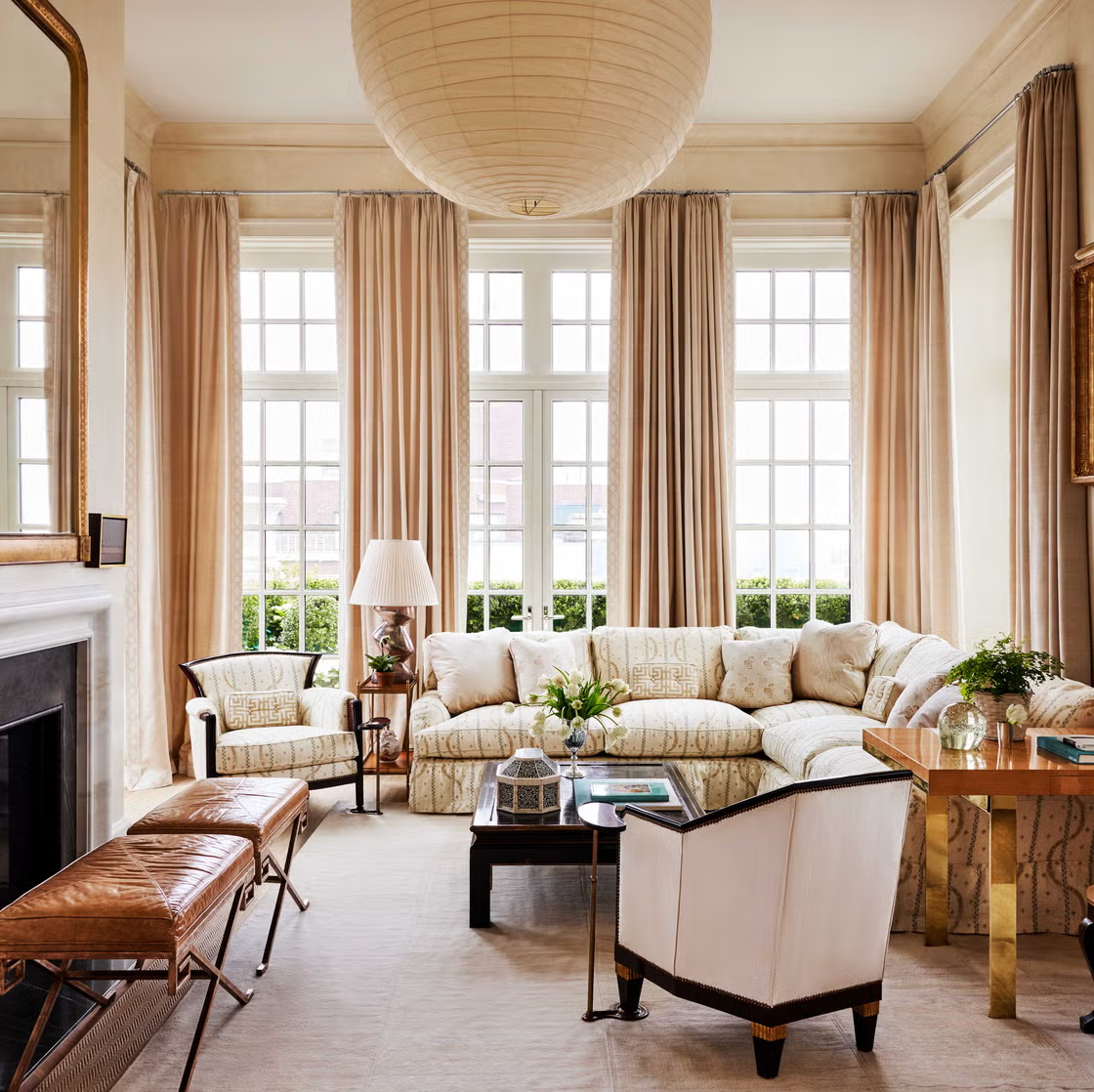
Neutral Living Room Color Ideas
Neutral Living Room Color Ideas Create a Calm, Timeless Space
Your living room sets the mood for your entire home. If you want a space that feels calm, welcoming, elegant, and easy to decorate, neutral colors are hard to beat. But neutral does not have to mean boring. Far from it.
From warm beige and creamy white to soft taupe, greige, and earthy gray, neutral shades can create a sophisticated backdrop that works with almost any furniture style. The secret is choosing the right undertone and adding enough texture and contrast to keep the room interesting.
Whether you’re decorating a small apartment or refreshing a large family room, these neutral living room color ideas can help you create a space that feels effortlessly stylish.
Why Choose Neutral Colors for Your Living Room?
Neutral colors are popular because they offer incredible flexibility. Think of them as a blank canvas. You can change your sofa, curtains, artwork, cushions, or rugs without having to repaint the entire room.
Neutral shades can also make a living room feel more spacious and peaceful. Light colors reflect natural light, while warmer neutrals can make a large room feel cozy and intimate.
Another advantage? Neutrals rarely go out of style. Trends come and go, but a beautifully balanced neutral palette can remain attractive for years.
1. Warm Beige for a Cozy Atmosphere
Warm beige is one of the easiest neutral colors to work with. Unlike cooler grays, beige has a soft, welcoming quality that instantly makes a living room feel comfortable.
Pair beige walls with a cream sofa, wooden furniture, and woven accessories for a relaxed look. You can also introduce darker brown accents through coffee tables, picture frames, or floor lamps.
If your living room gets plenty of natural sunlight, warm beige can create a beautiful golden glow throughout the day.
2. Soft White for a Fresh and Airy Look
White may seem like the simplest option, but it can completely transform a living room.
Soft white shades create an open, clean appearance without the harshness sometimes associated with bright, pure white. They work particularly well in smaller living rooms because they can make walls visually recede.
To prevent the room from feeling too plain, combine white walls with different textures. Try a linen sofa, fluffy rug, wooden coffee table, and woven baskets. The result feels fresh rather than sterile.

3. Greige: The Best of Gray and Beige
Can’t decide between gray and beige? Why not have both?
Greige combines the cool sophistication of gray with the warmth of beige. It’s a versatile choice for modern, transitional, and contemporary living rooms.
A light greige wall can work beautifully with white trim and natural wood furniture. Add black metal lighting or charcoal cushions for a little contrast.
Greige is especially useful if you want a neutral room that feels modern without becoming overly cold.
4. Taupe for Elegant Living Rooms
Taupe sits somewhere between gray, beige, and brown, making it a sophisticated neutral for homeowners who want something with more depth.
A taupe living room can feel luxurious without looking overly formal. Combine taupe walls with cream upholstery, brass details, and natural wood for an elegant atmosphere.
If your room has large windows, taupe can also look stunning as changing daylight reveals its subtle undertones.
5. Cream for a Warm and Inviting Space
Cream is a wonderful alternative to traditional white. It adds warmth while maintaining the brightness you want from a light neutral.
Cream walls pair naturally with tan leather, wooden furniture, soft brown rugs, and muted green plants. The combination creates a relaxed, earthy environment that feels comfortable rather than overly decorated.
For a cozy living room, cream is almost like wrapping the space in a soft blanket.
6. Light Gray for a Modern Feel
Light gray remains a popular choice for contemporary interiors. It offers a clean, sophisticated appearance and works with both warm and cool furniture.
For a modern living room, try light gray walls with a white sofa, black accents, and natural wood. This creates a balanced palette with plenty of visual contrast.
However, pay attention to the undertone. Some gray paints can appear blue in rooms with cool lighting. Test a sample on the wall before committing to the entire room.
7. Sandy Beige for an Earthy Look
Want your living room to feel connected to nature? Sandy beige is worth considering.
This soft, earthy neutral works beautifully with rattan, jute, linen, wood, and indoor plants. It can create a relaxed atmosphere inspired by coastal and organic interiors.
You don’t need a beach-themed room to use sandy beige. Combine it with modern furniture and minimalist artwork for a contemporary natural look.
8. Mushroom and Earthy Neutrals
Mushroom tones are deeper than traditional beige but softer than many brown shades. They bring personality to a neutral living room without becoming overwhelming.
These colors work particularly well in rooms with plenty of natural light. Pair mushroom walls with ivory furniture, dark wood, ceramic décor, and textured fabrics.
If you want your living room to feel sophisticated and slightly dramatic while remaining neutral, earthy mushroom shades are an excellent choice.
How to Make a Neutral Living Room More Interesting
One common misconception is that a neutral room needs to contain only one or two colors. In reality, the best neutral interiors often use several shades and textures.
Try combining:
- Cream with warm beige
- Taupe with soft white
- Greige with natural wood
- Light gray with charcoal
- Beige with muted green
- Ivory with warm brown
Texture is equally important. Add wool rugs, linen curtains, boucle cushions, woven baskets, wood furniture, and ceramic accessories. These details create depth even when your color palette remains simple.
Choosing the Right Neutral Based on Natural Light
Before selecting paint, study how sunlight enters your living room.
A north-facing room may receive cooler, softer light, so warm beige, cream, and taupe can help balance it. A room with strong afternoon sunlight may handle cooler neutrals such as soft gray or balanced greige.
Artificial lighting matters too. Warm bulbs can make beige and cream appear richer, while cooler bulbs may emphasize blue or gray undertones.
Always test paint samples on different walls. A shade that looks perfect in a store can look completely different at home.
Neutral Color Ideas for Small Living Rooms
If your living room is small, lighter neutrals can help create a sense of openness.
Soft white, ivory, pale beige, and light greige are excellent choices. Painting the walls and ceiling in similar tones can make the boundaries of the room less noticeable, giving the space a more continuous appearance.
You can then add personality through colorful artwork, plants, cushions, and decorative objects. This approach keeps the room bright while avoiding a bland appearance.
Add Contrast Without Losing the Neutral Style
Neutral does not mean everything has to be light.
Contrast gives a room character. Add a dark wood coffee table, black picture frames, charcoal cushions, or a deep brown accent chair.
The goal is balance. If everything is pale, the room may feel flat. If everything is dark, you can lose the airy quality that makes neutral interiors so appealing.
Think of your palette as a conversation between light and dark shades.
Final Thoughts
The best neutral living room color ideas are not about choosing the safest paint color and stopping there. They’re about creating layers. Warm beige can bring comfort, soft white can brighten the space, greige can add modern sophistication, while taupe and earthy shades can create depth.
Start by considering your room’s natural light, existing furniture, and overall style. Then choose a neutral base and build around it with textures, natural materials, and subtle contrasts.
After all, a great living room doesn’t need loud colors to make a statement. Sometimes, understated elegance speaks the loudest.
Related Posts :





Share This Post