Sofa Styling Ideas for a Modern Living Room
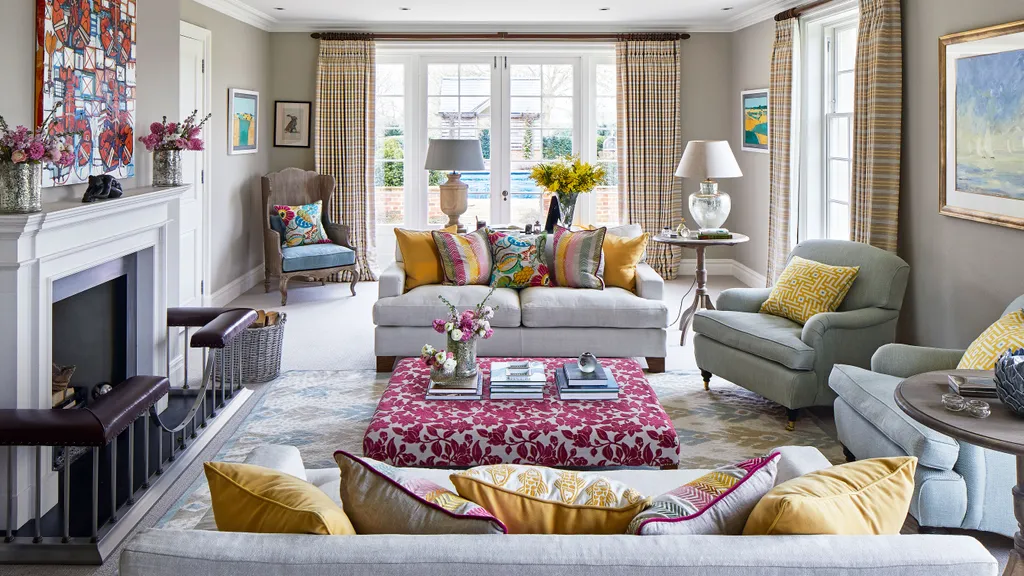
Sofa Styling Ideas for a Modern Living Room
Your sofa is more than just a comfortable place to sit. In a modern living room, it often becomes the visual anchor of the entire space. Get the styling right, and even a simple sofa can make the room feel polished, inviting, and thoughtfully designed.
But how do you style a sofa without making the space look cluttered? The secret is balance. You want comfort, personality, and visual interest without turning your sofa into a pile of cushions and blankets.
Whether you have a compact apartment or a spacious open-plan home, these sofa styling ideas for a modern living room can help you create a stylish space that still feels warm and practical.
1. Start With a Neutral Sofa
Neutral colors are a fantastic starting point for modern interiors. Shades such as beige, cream, gray, taupe, and soft brown can easily adapt to different decorating styles.
Think of a neutral sofa as a blank canvas. You can change cushions, throws, rugs, and accessories without replacing the main furniture.
If your living room already has plenty of color, a neutral sofa can also calm the space. On the other hand, if the room feels too plain, you can introduce stronger colors through accessories.
For a modern look, avoid matching everything perfectly. A little contrast gives the room character.
2. Layer Cushions for a Designer Look
Cushions are probably the easiest way to transform your sofa. However, simply placing several identical cushions on the sofa can make the arrangement look flat.
Instead, try layering different sizes and textures.
For example, place larger cushions at the back, medium-sized cushions in front, and add one smaller decorative cushion as an accent. Mix materials such as cotton, linen, velvet, or boucle for extra depth.
You don’t need ten cushions, either. Three to five well-chosen cushions can often create a much cleaner modern appearance.
The trick is to coordinate the colors without making every pattern identical.
3. Add a Cozy Throw Blanket
Want your living room to feel instantly more inviting? Add a throw blanket.
A casually draped throw can soften the sharp lines commonly found in modern furniture. Place it over one arm of the sofa, fold it across the corner, or casually drape it over the back.
Choose a throw that complements your existing color palette. A chunky knit can add warmth, while a lightweight linen throw creates a relaxed, sophisticated atmosphere.
Just remember: the goal is effortless, not messy.
4. Create Contrast With Color
A modern living room doesn’t have to be completely white, gray, or beige. In fact, adding one or two accent colors can make the sofa area much more interesting.
If your sofa is light gray, consider cushions in olive green, navy, rust, charcoal, or muted mustard. If you have a beige sofa, earthy greens and warm browns can create a natural look.
For a more dramatic space, use darker accents such as black or deep blue.
A useful rule is to repeat an accent color elsewhere in the room. For instance, if you use green cushions, bring a similar shade into artwork, plants, or a small decorative object.
This creates visual harmony without making the room feel overly coordinated.
5. Pair the Sofa With a Stylish Rug
A sofa can look disconnected when it sits alone on a large floor. That’s where a rug comes in.
A well-sized rug visually connects the seating area and gives the room a more finished appearance. Ideally, at least the front legs of your sofa should sit on the rug.
For modern interiors, consider subtle geometric patterns, abstract designs, natural textures, or simple solid colors.
If your sofa has a bold color or noticeable pattern, keep the rug relatively understated. If the sofa is simple, the rug can become an opportunity to introduce personality.
Think of the rug as the frame around your seating arrangement.
6. Use a Coffee Table to Complete the Arrangement
A modern sofa usually looks better when paired with a carefully selected coffee table.
Glass, wood, marble-look, metal, and sculptural tables can all work depending on the overall design of your room.
For a softer appearance, choose a round or oval table. For a structured contemporary space, a rectangular or square design may work better.
Don’t overcrowd the table. A small tray, coffee-table book, candle, or simple decorative object is usually enough.
Negative space is important in modern design. Sometimes, leaving part of the table completely empty makes the entire room feel more sophisticated.
7. Bring Nature Near the Sofa
Plants can make a modern living room feel less cold and more alive.
Place a tall indoor plant beside the sofa if you have enough floor space. For smaller rooms, use a compact plant on a side table or shelf.
Plants such as snake plants, rubber plants, pothos, and fiddle-leaf figs can complement contemporary interiors beautifully.
If maintaining plants isn’t practical, high-quality artificial greenery can also add a similar visual effect.
The key is to avoid turning your living room into a jungle. One or two thoughtfully positioned plants can be more effective than a dozen scattered around the sofa.
8. Add a Side Table and Modern Lighting
A sofa styling arrangement isn’t complete without practical lighting.
A slim floor lamp next to the sofa can create a warm reading corner while adding height to the room. Alternatively, place a small table lamp on a side table for a softer evening glow.
Look for simple silhouettes and materials that complement your sofa. Matte finishes, natural wood, metal, and glass can all work well in modern spaces.
Lighting should create layers rather than relying on one bright ceiling fixture. Ambient, task, and accent lighting can make the living room feel dramatically more comfortable.
9. Decorate the Wall Behind the Sofa
The wall behind your sofa is prime decorating real estate.
A large piece of artwork can create an instant focal point. Alternatively, you could create a small gallery wall using several complementary prints.
For a minimalist modern room, one oversized abstract artwork may be enough. If you prefer a more personal atmosphere, combine photographs, artwork, and decorative objects.
Keep the scale in mind. Tiny artwork above a large sofa can look lost, while an appropriately sized piece can make the furniture feel intentionally placed.
You can also use mirrors to reflect light and make a smaller living room appear more spacious.
10. Keep the Styling Balanced
Perhaps the most important sofa styling rule is balance.
You don’t want every decorative element concentrated on one side of the sofa. At the same time, you don’t need perfect symmetry.
For example, you could place a floor lamp on one side and a plant on the other. Add a few cushions toward the center and a casually folded throw on one corner.
Modern design often works best when it feels intentional but not overly calculated.
Ask yourself: Does every item serve a purpose or add something visually interesting? If the answer is no, remove it.
Sofa Styling Ideas for Small Living Rooms
If you’re working with limited space, don’t worry. A small living room can still look stylish.
Choose furniture with clean lines and raised legs to create a sense of openness. Avoid oversized cushions that consume valuable seating space.
Use a smaller coffee table, wall-mounted lighting, and a strategically positioned mirror to keep the room feeling airy.
A light-colored sofa can also help reflect natural light. However, don’t be afraid of darker colors if you prefer them. The right lighting and surrounding décor can make a dark sofa look incredibly elegant.
Common Sofa Styling Mistakes to Avoid
Even beautiful furniture can look awkward when the surrounding details aren’t balanced.
Avoid using too many cushion patterns, oversized accessories, or furniture that blocks natural walking paths. Don’t push every piece of furniture against the walls simply because there is more open floor in the center.
Another common mistake is ignoring scale. A tiny coffee table paired with a huge sectional can look disproportionate.
Finally, don’t copy a showroom completely. Your living room should reflect how you actually live.
Conclusion
Styling a modern sofa doesn’t require expensive furniture or a complete room makeover. With the right combination of cushions, throws, rugs, lighting, plants, artwork, and carefully selected accessories, you can turn an ordinary sofa into the centerpiece of a beautiful living room.
Start with a simple foundation, introduce texture and contrast, and leave enough breathing room between decorative elements. After all, the best modern living rooms aren’t simply stylish—they’re comfortable, functional, and personal. Your sofa should invite you to sit down, relax, and enjoy the space you’ve created.
Related Posts :





Share This Post