
In the rarefied atmosphere of high-end luxury fashion, pricing is decoupled from utilitarian production costs. A plain white cotton t-shirt produced from standard ringspun cotton retails for twenty dollars at a high-street department store. The exact same garment, cut from sea-island cotton with handcrafted French seams and bearing an aristocratic luxury label, easily commands five hundred to eight hundred dollars. What creates this extraordinary price elasticity?
While fabric quality and ethical tailoring certainly matter, the overwhelming driver of luxury value is psychological signaling. A luxury brand name is an emotional seal of exclusivity, timeless taste, and cultural sophistication. When a client carries a matte-black paper shopping bag embossed with hot-stamped gold foil down Fifth Avenue or Bond Street, the name printed on that bag communicates who they are, what they value, and which echelon of society they inhabit.
Naming a luxury boutique or haute couture atelier requires a radically different linguistic toolkit than naming a streetwear drop or mass-market fast-fashion chain. In luxury branding, less is always more. The language must feel effortless, restrained, and steeped in European artisanal tradition. In this comprehensive guide, we dissect the phonetic and architectural principles of luxury naming, explore romance language morphemes, provide sixty curated boutique concepts, and explain how to legally protect your fashion enterprise.
1. The Psychology of Luxury: Price Elasticity and Linguistic Signaling
In consumer psychology, luxury purchases satisfy aspirational and emotional needs rather than basic physiological necessities. Consumers purchase luxury goods to celebrate personal milestones, signal discerning taste, and experience superior tactile craftsmanship.
Because luxury consumers are inherently price-insensitive, aggressive discounting or promotional naming (e.g. 'DiscountBoutique', 'BargainSilk') immediately destroys brand equity. High-end clientele gravitate toward names that project restraint, mystery, and understated confidence. A quiet, stately name like The Row or Celine signals that the product speaks for itself, requiring no frantic commercial pleading.
2. The Haute Couture Morpheme Lexicon: French, Italian & Latin Roots
For over two centuries, the capitals of Western high fashion—Paris, Milan, Florence, and London—have established the global linguistic vocabulary of luxury. Even brands founded in New York, Tokyo, or Sydney frequently draw upon French, Italian, and Latin linguistic morphemes to evoke artisanal refinement:
- French Romance Morphemes: Words like Maison (house), Atelier (artist's workshop), Le / La (the), Couture (sewing/tailoring), and Rue (street) carry immediate associations with Parisian runway heritage. Consider how Maison Margiela or Atelier Versace utilize these classical nouns to frame their garments as works of fine art created by master guild artisans rather than factory assembly lines.
- Italian Elegance and Aristocratic Suffixes: Italian fashion vocabulary leans on warm open vowels and noble heritage titles (e.g., Bottega, Casa, Villa, Signoria, Castello). A word like Bottega translates simply to 'shop' or 'workman's studio', yet when paired as Bottega Veneta ('Venetian Workshop'), it radiates understated northern Italian leathercraft mastery.
- Classical Latin and Celestial Etymology: Latin roots (such as Aurelia for gold, Nocturne for night, or Veritas for truth) project timeless permanence. Because Latin is the root of romance languages and classical scholarship, names derived from Latin roots avoid trendy slang traps, ensuring your label looks as dignified in 2050 as it does today.
3. The Five Pillars of High-End Fashion Brand Architecture
Analyzing the world's most enduring luxury fashion houses reveals five foundational brand architecture models that you can deploy for your boutique:
Pillar 1: The Aristocratic Eponym
Examples: Christian Dior, Yves Saint Laurent, Salvatore Ferragamo, Givenchy. By naming the house after an individual designer, the brand elevates the founder to the status of an artistic visionary. The clothes become physical extensions of that auteur's singular aesthetic taste.
Pillar 2: The Understated Mononym
Examples: Celine, Chloe, Lanvin, Jacquemus. Short, evocative, and elegant, the mononym rolls off the tongue with frictionless grace. In modern luxury, mononyms possess unmatched versatility across digital storefronts, leather goods embossing, and fragrance bottle labeling.
Pillar 3: The Curated Collective / Workshop
Examples: The Row, Bottega Veneta, Acne Studios, Atelier de Production et de Création (A.P.C.). Rather than spotlighting an individual ego, this architecture emphasizes collective craftsmanship, archival curation, and architectural discipline. Ashley and Mary-Kate Olsen named The Row after London's historic Savile Row, immediately evoking bespoke tailoring standards.
Pillar 4: The Compound & Ampersand
Examples: Dolce & Gabbana, Viktor & Rolf, Proenza Schouler. Joining two complementary surnames or poetic concepts communicates creative dialogue and balance. In independent boutique retail, ampersand pairings such as Cashmere & Silk or Velvet & Stone evoke sensory tactile luxury.
Pillar 5: The Heraldic / Geographical Legacy
Examples: Balenciaga, Burberry, Goyard. Grounded in geographical provenance and historic coat-of-arms crests, this framework communicates generational stability and royal warrant prestige.
4. 60+ Curated Luxury Boutique and Haute Couture Name Concepts
To help you conceptualize your luxury boutique, our design team curated sixty original high-end naming concepts categorized into four sophisticated aesthetics:
Aesthetic A: Parisian Haute Couture & Atelier Elegance
- Maison Aurelia — Classical gold embellishments and silk eveningwear.
- Atelier Clermont — Bespoke suiting and tailored outerwear.
- Le Pavillon Noir — Avant-garde black-tie collections.
- Saint Celeste — Bridal couture and delicate tulle gowns.
- Palais de Soie — Pure mulberry silk blouses and resortwear.
- Maison Amaryllis — Botanical embroidery and spring runway pieces.
- L'Arc Couture — Architectural silhouettes and geometric gowns.
- Atelier Vivienne — Romantic, feminine tailoring and cashmere knits.
- Maison Damask — Rich textured brocades and vintage-inspired luxury.
- La Couronne Loft — Aristocratic heritage boutique.
- Atelier Vendome — High-jewelry and fine apparel salon.
- Maison Blanchette — Pure ivory linen and bridal wear.
- Le Mercer Guild — Heritage textile tailoring and private-client fitting.
- Atelier Regalia — Formal evening gowns and statement velvet coats.
- Maison Dauphine — Chic contemporary French ready-to-wear.

Aesthetic B: Northern Italian & Tuscan Leathercraft
- Bottega Florentine — Hand-stitched Tuscan leather bags and footwear.
- Casa Castille — Relaxed Mediterranean luxury linen.
- Villa Bellini — Sun-drenched Italian resortwear and silk scarves.
- Sartoria Milano — Precision bespoke tailoring and wool suiting.
- Terrazzo Studio — Architectural accessories and modernist jewelry.
- Bottega Seta — Fine Como silk ties, foulards, and pocket squares.
- Palazzo Vieri — High-end leather coats and shearling jackets.
- Casa Valenza — Artisan gold jewelry and evening accessories.
- Bottega Velluto — Deep velvet smoking jackets and slippers.
- Villa Marchesa — Aristocratic Italian resort collections.
- Sartoria Lucca — Handcrafted shirting and bespoke trousers.
- Casa Aurelio — Gilded luxury accessories and leather goods.
- Bottega Nobile — Quiet luxury leather goods without overt branding.
- Villa Monti — Lake Como holiday collection and cashmere wraps.
- Sartoria d'Oro — Gold-thread embroidery and couture gowns.
Aesthetic C: Quiet Luxury & Modernist Restraint
- The Belgravia Line — Mayfair London bespoke tailoring aesthetic.
- Silk & Strata — Layered luxury fabrics and cashmere overcoats.
- Cashmere Vault — Heavyweight knitwear and winter luxury.
- Sovereign Loft — High-end multi-brand boutique salon.
- Pure Cadence — Rhythm and flow of silk eveningwear.
- Halcyon Tailors — Timeless, peaceful tailoring perfection.
- Ivory Archive — Rare vintage designer collections and deadstock pieces.
- The Rowen Co — Minimalist unisex tailoring and luxury basics.
- Linen & Lapis — Mediterranean linen paired with deep lapis lazuli gems.
- Monolith Silk — Architectural draping and bold minimalist silhouettes.
- Velvet Meridian — Mid-century luxury evening wear.
- Noble Mercer — Fine cloth merchants and custom suiting.
- Pale Dynasty — Soft pastel palettes and luxurious silk shirting.
- The Alabaster Edit — Curated minimalist concept store.
- Heirloom Thread — Sustainable luxury designed to last generations.
Aesthetic D: Celestial & Botanical Mystique
- Aurelia Bloom — Gilded floral embroidery on midnight silk.
- Astral Botanica — Organic certified luxury skincare and apparel.
- Cinnabar Palais — Deep ruby evening gowns and velvet wraps.
- Velvet Wisteria — Romantic English garden party couture.
- Solstice Atelier — Seasonal limited drops aligned with the solstices.
- Amber Diadem — Regal jewelry and evening accessories.
- Cypress & Silk — Mediterranean fragrances and luxury resortwear.
- Lavender Crest — Provence lavender fields and linen collections.
- Elysian Clothier — Divine, ethereal draping and light silk chiffons.
- Saffron & Stone — Natural dyed silks and raw precious gemstones.
- The Dahlia Maison — Dramatic architectural floral gowns.
- Willow & Ermine — Warm winter luxury coats and cashmere scarves.
- Nocturne Silk — Dark moody eveningwear for gala events.
- Flora Regalia — Botanical coronation motifs and couture prints.
- Cedar & Damask — Aromatic cedar wood and rich woven brocades.
5. The Typography of Prestige: Serif Geometries & Hot Foil Stamping
In luxury branding, the visual typography of your name is inextricably linked to its perceived value. A luxury name set in a generic system typeface looks counterfeit. To convey prestige, your typographic identity must respect classical print traditions:
- Didone High-Contrast Serifs: Modeled after the 18th-century master typographers Firmin Didot and Giambattista Bodoni, Didone typefaces feature dramatic contrast between thick vertical stems and hairline-thin horizontal serifs. This typographic style has defined luxury editorial publications like Vogue and Harper's Bazaar for over a century. When hot-stamped in gold foil on textured black cardstock, Didone letterforms radiate regal authority.
- The Golden Ratio of Kerning: Luxury names must never look cramped. Generous letter-spacing (kerning) communicates breathing room, ease, and unhurried confidence. Notice how luxury perfume packaging spaces letters widely across the bottle surface (e.g., C H A N E L). Wide tracking invites the eye to linger on each individual letterform.
- Physical Finishing Techniques: When ordering custom hangtags, woven labels, and boutique packaging, specify premium finishing treatments: blind debossing (pressing the logo into thick cotton paper without ink), gold or copper foil hot stamping, and heavy three-hundred-and-fifty-GSM unbleached cotton paper.
6. Trademark Architecture: Nice Class 25 vs. Class 35 Explained
Founders opening a physical fashion boutique or multi-brand luxury e-commerce platform frequently make a costly trademark mistake: they only register under Nice Class 25 (Apparel). In trademark law, manufacturing physical clothing and operating a retail store that curates and sells clothing represent two distinct commercial activities:
Nice Class 25 (Goods): Protects the physical shirts, dresses, suits, coats, and footwear you manufacture under your private label. If you stitch your brand name into a garment neck tag, Class 25 is essential.
Nice Class 35 (Services): Protects 'retail store services, online retail store services, and retail boutique services featuring apparel, jewelry, and fashion accessories'. If you open a brick-and-mortar storefront or an online platform called 'Maison Aurelia' that sells clothes from multiple designers, Class 35 is what legally protects your store identity.
Strategic Advice: If your boutique produces private-label garments AND operates a retail store, file your trademark under both Class 25 and Class 35 simultaneously to ensure bulletproof dual-layer intellectual property protection. Learn how in our guide on How to Do a Free Trademark Search for Brand Names.
7. Digital Flagships: Domain Prestige and Curated Instagram Aesthetics
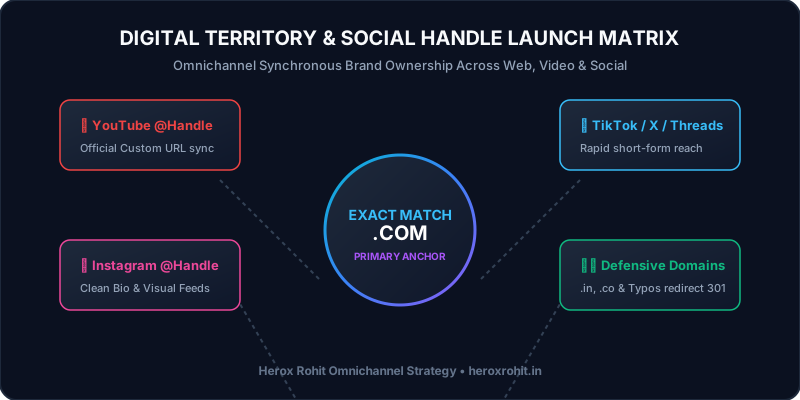
In the digital era, your e-commerce website is your international flagship salon. While acquiring a single-word .com domain can be competitive, luxury brands maintain prestige using refined web address conventions:
- Conventions for Luxury Domains: Prepend 'Maison' (e.g., Maison[Brand].com), prepend 'The' (e.g., The[Brand].com), or append 'Atelier' or 'Official' (e.g., [Brand]Atelier.com). Avoid hyphenated domains or low-trust extension domains (.biz, .info), which erode consumer trust during luxury checkouts.
- Curating the Instagram Feed: A luxury boutique's Instagram profile must mirror an upscale art gallery. Maintain consistent monochromatic or warm-toned color palettes, generous negative space, high-resolution textile macro photography (showing cashmere weaves, mother-of-pearl buttons, and silk sheen), and minimal promotional text overlays. Read our guide on Aesthetic Instagram Business Names for curation tactics.
8. Luxury Case Studies: Chanel, Bottega Veneta & The Row
Examining how high-fashion houses built their naming mythologies reveals valuable lessons for aspiring boutique owners:
- Chanel: Gabrielle 'Coco' Chanel selected her childhood nickname for her maison. Paired with her interlocking 'CC' monogram and the legendary No. 5 perfume, the name became the global benchmark for French elegance. The lesson: short, symmetrical names with repeating consonants are extraordinarily memorable to the human brain.
- Bottega Veneta: Founded in Vicenza, Italy, in 1966, the name literally means 'Venetian Workshop'. Rather than using a founder's name, the label prioritized collective leathercraft, creating the iconic 'intrecciato' woven leather pattern and famously operating under the quiet luxury slogan: 'When your own initials are enough.'
- The Row: Mary-Kate and Ashley Olsen named their minimalist luxury house after Savile Row in Mayfair, London. The name established an uncompromising benchmark for bespoke tailoring, exquisite textile sourcing, and discrete luxury, proving that referencing geographic craftsmanship creates instant institutional credibility.
Naming your luxury boutique is an act of artistic distillation. It is the vessel that will carry your creative integrity, textile craftsmanship, and entrepreneurial ambition for decades to come. Choose a name that whispers with confidence, protect it across Trademark Classes 25 and 35, and build an enduring fashion sanctuary.